Best Street Foods in Bangkok

Bangkok, the bustling capital of Thailand, is not only known for its vibrant culture and stunning temples but also for its incredible street food scene. A paradise for food lovers, the city offers an array of affordable and flavorful dishes that reflect the heart of Thai cuisine. From aromatic noodle soups to sweet treats, exploring Bangkok’s street food is an essential part of any visit.

One of the must-try dishes is Pad Thai, a stir-fried noodle dish that is both tangy and savory, often cooked to perfection with shrimp, tofu, or chicken. You’ll find this classic meal served at street stalls throughout the city, particularly in the famous Khao San Road area. Another iconic option is Som Tum, or green papaya salad, which balances spicy, sour, salty, and sweet flavors in one refreshing plate.

Don’t miss out on Bangkok’s legendary boat noodles, a dish with a fascinating history dating back to the mid-20th century when it was served by vendors on small boats navigating Bangkok’s canals. Today, you can enjoy these rich and aromatic bowls at street-side eateries like Victory Monument. For a heartier option, try Moo Ping, grilled pork skewers marinated in a sweet and savory sauce, often served with sticky rice.

For dessert lovers, Bangkok has plenty to offer. Mango Sticky Rice, a delightful combination of ripe mango, sweetened sticky rice, and coconut cream, is a crowd favorite. Another popular sweet treat is Khanom Buang, or Thai crepes, filled with sweet or savory toppings like coconut or egg yolk threads.

Commonly asked questions about Bangkok’s street food often include concerns about safety and hygiene. Is it safe to eat street food in Bangkok? Generally, yes! Stick to vendors with long queues, as this often indicates fresh ingredients and high turnover. Avoid raw or undercooked food, and always carry hand sanitizer. What’s the best time to explore street food? Evening markets like Rot Fai Market and Yaowarat (Chinatown) are fantastic spots to enjoy the vibrant food scene.

The best way to explore Bangkok’s street food is to wander its markets and side streets, letting your senses guide you. From the sizzling woks to the tantalizing aromas, every dish tells a story of tradition and flavor. Whether you’re a seasoned traveler or first-time visitor, Bangkok’s street food is a journey you won’t forget. Bon appétit!

Unraveling the Charm of Bangkok: Why it’s a Top Tourist Destination

Bangkok, the bustling capital city of Thailand, draws millions of tourists each year, making it one of the most visited cities in the world. Its unique blend of modernity and rich history, coupled with its vibrant street life and cultural landmarks, make it a highly popular tourist destination.

Bangkok’s history dates back to the 15th century, with its establishment as a small trading post during the Ayutthaya Kingdom. The city has since evolved into a metropolis that beautifully marries the old and the new. The city’s historic heart, Rattanakosin Island, is home to the Grand Palace, a royal residence since the 18th century. The palace complex, built in 1782, houses the renowned Wat Phra Kaew, which enshrines the Emerald Buddha, a key religious icon in Thailand.

One of the most frequently asked questions about Bangkok is, “What makes it a popular tourist destination?” There are several reasons. Firstly, Bangkok is a city of contrasts. Here, glittering skyscrapers and modern shopping malls stand side by side with ancient temples and traditional markets. Secondly, it offers a wide range of experiences, from exploring the city’s rich history and culture to indulging in its world-renowned street food and vibrant nightlife. Lastly, Bangkok is known for its warm hospitality, with the locals’ friendliness adding to the city’s charm.

Another highlight of Bangkok is its bustling markets, such as the Chatuchak Weekend Market. It’s one of the world’s largest weekend markets, with over 15,000 stalls selling everything from vintage clothes to antiques. Then there’s the unique floating markets, like Damnoen Saduak and Amphawa, where you can buy fresh produce and local food from boats on the river.

The city’s thriving arts scene is another draw for tourists. Bangkok Art and Culture Centre, opened in 2008, hosts a variety of exhibitions and events showcasing contemporary art, design, music, theatre, and film. Street art is also a growing trend in the city, with vibrant murals adorning the walls of several districts.

Bangkok, with its myriad of attractions and experiences, continues to captivate tourists from around the globe. Its blend of history, culture, and modernity, along with its friendly locals and delectable cuisine, ensures that every visitor leaves with unforgettable memories. So, if you’re considering a trip to this enchanting city, prepare for an adventure like no other.

HOW MUCH IS A DERMATOLOGIST

The journey to achieving radiant, healthy skin can often lead to a dermatologist’s office. But how much is a dermatologist, you may ask? The answer is not as straightforward as one might hope, due to the varying factors involved.

Firstly, the cost of a dermatologist visit can significantly differ depending on the nature of the consultation. A routine check-up or a diagnosis for a specific skin condition may not bear the same price tag. Similarly, the cost of treatment for different skin conditions like acne, eczema, or psoriasis can also vary.

Geographical location plays a considerable role in determining the cost. Cities with a higher cost of living often have higher dermatologist fees. Moreover, whether the dermatologist’s office is in a rural or urban area can influence the cost.

Another critical factor is the dermatologist’s level of experience and reputation. Highly experienced dermatologists with strong reputations in their field may charge more for their services. However, their expertise can often lead to more effective treatments and results, which in the long run, may save money on repeated visits.

Insurance coverage is another key consideration. Some insurance plans cover dermatology visits and treatments, while others may not. It’s essential to check with your insurance provider to understand what is covered under your plan before scheduling an appointment.

To give a ballpark figure, a basic dermatologist visit in the United States can cost between $100 to $200 without insurance. However, it’s crucial to remember that this is a general estimate and the actual cost can vary based on the factors mentioned earlier.

While the cost of visiting a dermatologist might seem daunting, it’s essential to remember the value of professional skin care. A qualified dermatologist can accurately diagnose your skin condition, provide effective treatment plans, and offer expert advice on maintaining healthy skin. This expertise can prevent the worsening of skin conditions and potential future health complications, making it a worthwhile investment in your overall well-being.

So, when asking, “how much is a dermatologist?” bear in mind that the cost is just one aspect. The true value lies in the professional care and guidance you receive, leading you on a path towards healthier, more radiant skin.

Unveiling the Magic: What Dermatologists Can Do for Acne

Ever wondered what dermatologists do for acne? The answer is, a lot more than you might imagine. As a qualified dermatologist, I’m here to guide you through the incredible world of dermatology and the revolutionary treatments we use to tackle acne.

Acne can be a challenging condition to live with. It’s not just a physical issue – it can also affect our self-esteem, confidence, and overall mental well-being. It’s a common misconception that acne is a ‘teenage problem’. The truth is, acne can affect people of all ages, and without the right treatment, it can persist well into adulthood.

Dermatologists are the superheroes of skincare. We utilize a range of proven treatments to combat acne, each customized to suit your unique skin type and condition. Our approach is holistic, treating not just the visible symptoms, but also addressing the root causes of acne.

One of the most common treatments we employ is topical medication. These creams or gels, applied directly to the skin, can help reduce inflammation and bacteria. They can also help to regulate skin cell turnover, preventing pores from becoming clogged.

For more severe acne, oral medications may be prescribed. These include antibiotics to reduce bacteria and inflammation, and isotretinoin, a powerful drug used to treat severe, resistant acne. It’s important to remember that these medications are not a ‘quick fix’, but a part of a comprehensive treatment plan.

Another exciting development in the world of dermatology is the use of light and laser therapies. These treatments can help reduce acne by killing bacteria and reducing inflammation. They can also help to reduce the appearance of acne scars, providing a smoother, more even skin texture.

But what truly sets dermatologists apart is our ability to understand and address the unique needs of each patient. We don’t just treat your skin – we treat you. We take the time to understand your lifestyle, diet, and habits, all of which can impact your skin’s health.

Remember, seeking help from a dermatologist is not a sign of defeat, but a step towards victory. Acne is a common condition, and there is no need to suffer in silence. Dermatologists are here to help you reclaim your skin’s health and your confidence. So, if you’re tired of battling acne alone, why not reach out to a dermatologist today? After all, we’re in this fight together.

Can a dermatologist remove moles?

Are you curious about the small, dark spots that have made a home on your skin? You’re not alone. Moles are a common skin occurrence that often leaves people wondering if they should be a cause for concern. But did you know a dermatologist can remove moles? That’s right! Dermatologists, the experts in skin health, have the specialized skills and knowledge to safely remove moles. But it’s not just about aesthetics. Removing moles isn’t merely a cosmetic procedure; it’s a proactive step towards maintaining your health. Don’t let your uncertainties hold you back. Now is the time to take charge of your skin health and explore the benefits of mole removal. It’s time to put your health first.

Moles are primarily caused by the skin’s cells, known as melanocytes, growing in clusters rather than spreading out. These clusters form pigmented cells that we see as moles. While most moles are harmless, some could potentially develop into a serious skin condition, melanoma. Melanoma is a type of skin cancer that can be fatal if not detected and treated early. This is why it’s crucial to monitor changes in your moles, such as size, color, and shape, and contact a dermatologist if you notice any abnormalities.

Delaying or avoiding mole removal can put you at risk. As the saying goes, “prevention is better than cure.” Ignoring irregular moles might lead to complications down the line, which could have been prevented with early detection and removal. Dermatologists, with their vast expertise, can identify and treat atypical moles, significantly reducing the risk of developing skin cancer.

Contacting a dermatologist is not just about mole removal; it’s about learning more about your skin health. Dermatologists can provide valuable insights into your skin type, potential risk factors, and preventive measures. They guide you in understanding the importance of regular skin check-ups and the role they play in maintaining your overall health.

Remember, your skin is the largest organ of your body and plays a crucial role in protecting your body from external factors. It deserves your attention and care. Don’t wait for a problem to arise before you take action. Reach out to a dermatologist today, and take the first step towards a healthier, happier you.

The Trimurti Shrine in Bangkok

The Trimurti Shrine in Bangkok, Thailand, is a unique and fascinating destination for tourists. This shrine is dedicated to the Hindu gods Brahma, Vishnu, and Shiva, and is located in the heart of the city. In this post, we will explore the history, significance, and accessibility of the Trimurti Shrine.

The Trimurti Shrine is a symbol of religious harmony in Thailand, where Buddhism is the dominant religion. It is believed that by paying homage to the Hindu gods, visitors can gain good luck and blessings. The shrine is decorated with colorful statues and offerings, and visitors are encouraged to light incense and offer flowers.

To reach the Trimurti Shrine, visitors can take a taxi or use public transportation. The shrine is located near the Siam Paragon shopping mall and is easily accessible from other popular tourist destinations in Bangkok.

FAQs:

  1. What is the significance of the Trimurti Shrine?
    The Trimurti Shrine is dedicated to the Hindu gods Brahma, Vishnu, and Shiva, and is a symbol of religious harmony in Thailand.
  2. What offerings can visitors make at the Trimurti Shrine?
    Visitors can offer incense and flowers at the Trimurti Shrine.
  3. Is the Trimurti Shrine accessible to wheelchair users?
    Yes, the Trimurti Shrine is accessible to wheelchair users.
  4. Is there an entrance fee for the Trimurti Shrine?
    No, there is no entrance fee for the Trimurti Shrine.
  5. What is the best time of day to visit the Trimurti Shrine?
    The Trimurti Shrine is open from early morning until late at night, so visitors can choose a time that suits them best.

Overall, the Trimurti Shrine is a must-see destination for anyone visiting Bangkok. It offers a unique and fascinating insight into the city’s religious and cultural heritage.

Chainwit., CC BY-SA 4.0 https://creativecommons.org/licenses/by-sa/4.0, via Wikimedia Commons

Unveiling the Secrets: How Dermatologists Remove Moles for Enhanced Skin Health

Are you tired of feeling self-conscious about those unsightly moles on your skin? Do you dream of having flawless, blemish-free skin that boosts your confidence and enhances your natural beauty? Well, you’re not alone. Many people struggle with the appearance of moles, not realizing the potential risks they may pose. But fear not! Dermatologists have the expertise to safely and effectively remove moles, giving you the opportunity to achieve the skin you’ve always desired. In this article, we will delve into the world of mole removal, exploring the causes behind these skin imperfections and the potential dangers of not seeking treatment. So, if you’re ready to take control of your skin health and unlock a new level of confidence, keep reading!

Moles, medically known as nevi, are common skin growths that appear when melanocytes (pigment-producing cells) grow in clusters. While most moles are harmless, some can be indicators of underlying health conditions or even pose potential risks. It’s crucial to understand that not all moles are created equal. Some may be congenital, appearing at birth, while others may develop over time due to sun exposure, hormonal changes, or genetics. Regardless of their origin, it’s essential to have any suspicious or changing moles evaluated by a dermatologist.

Leaving moles untreated can have serious consequences. Changes in size, shape, color, or texture of a mole could be early signs of melanoma, a type of skin cancer. Melanoma can spread rapidly if not detected and treated early. By seeking professional help, you can have peace of mind knowing that your skin is being thoroughly examined by a trained dermatologist who can identify any potential red flags.

Additionally, mole removal is not only about addressing potential health risks but also about enhancing your overall appearance. Moles that are prominently located or are aesthetically displeasing can impact your self-esteem and confidence. By consulting with a dermatologist, you can explore various mole removal techniques tailored to your specific needs and desires. From surgical excision to laser treatments, dermatologists can provide effective solutions to remove moles safely, leaving little to no scarring behind.

Taking action to learn more about how dermatologists remove moles is an important step towards maintaining optimal skin health and boosting your self-confidence. By understanding the causes of moles and the risks associated with leaving them untreated, you empower yourself to make informed decisions about your skin. Don’t let moles hinder your happiness any longer! Reach out to a dermatologist today and embark on a journey to unveil your skin’s true potential. Remember, your skin deserves the best care possible, and you deserve to feel beautiful in your own skin.

Wat Phra Chetuphon

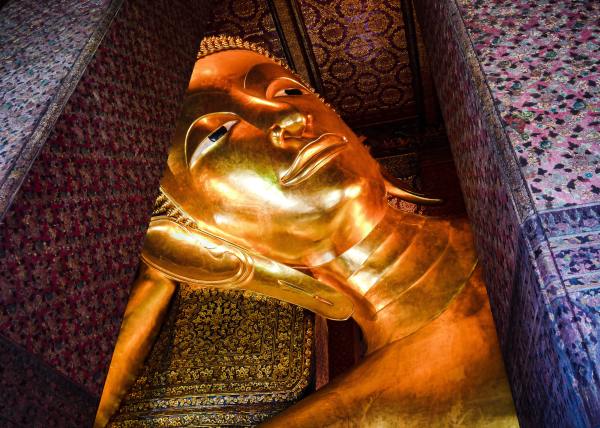
If you’re planning a trip to Bangkok, Thailand, Wat Phra Chetuphon, also known as the Temple of the Reclining Buddha, should be on your list of must-see attractions. This stunning temple complex is home to the largest reclining Buddha statue in Thailand, which measures an impressive 46 meters long and 15 meters high.

Aside from the impressive statue, Wat Phra Chetuphon is also known for its intricate murals and beautiful architecture. The temple dates back to the 16th century and has undergone many renovations throughout the years, making it a fascinating blend of ancient and modern design.

Visitors to Wat Phra Chetuphon can learn about the history of the temple and its significance to Thai culture, as well as take part in traditional Buddhist practices such as offering alms to monks.

To reach Wat Phra Chetuphon, visitors can take a taxi or tuk-tuk from central Bangkok. The temple is open daily from 8am to 5pm and admission is circa 100 baht per person.

Frequently asked questions about Wat Phra Chetuphon:

– What is the dress code for visiting the temple? Visitors should dress modestly, covering their shoulders and knees.

– Can I take photos inside the temple? Yes, but flash photography is not allowed.

– Are there any food stalls or restaurants nearby? Yes, there are many street food vendors and restaurants in the surrounding area.

– Is there an entrance fee? Yes, admission is 100 baht per person.

– How long should I plan to spend at the temple? Plan to spend at least an hour exploring the temple complex.

Don’t miss your chance to visit this stunning temple and learn more about Thai culture and history. Add Wat Phra Chetuphon to your Bangkok itinerary today!

Hyperpigmentation treatments for the face

As a prevalent skin issue, hyperpigmentation can be treated in various ways. Below we will discuss some treatments of hyperpigmentation of the face.

Treatment methods

Chemical Peel

With a chemical peel, concentrated acids are applied to the problem area of the skin. By scraping off your skin’s surface, they can lessen the visibility of hyperpigmentation.

While you can find chemical peels at your local drugstore, consider receiving a medical-grade peel from your dermatologist. 

Laser Peel

Hyperpigmentation can be diminished with the help of laser peel (resurfacing) treatment. Ablative and non-ablative are the two types of laser peels.

Ablative lasers are the strongest and can remove entire layers of skin at once. However, dermal stimulation of collagen formation and tightening effects can be achieved using non-ablative techniques.

Microdermabrasion

The hyperpigmentation limited to the epidermis can be treated with microdermabrasion, performed in a medical office.

Your dermatologist will operate using a portable tool similar to a drill attached to a wire brush or other abrasive attachment. 

Dermabrasion

Although dermabrasion also removes the epidermis, its effects reach deeper into the dermis.

Dermabrasion is mainly used to improve the skin’s texture but is sometimes used to remove fine lines and wrinkles. These are the scars left behind by acne, ageing, chicken pox, injuries, and the sun.

Retinoids

Retinoids derived from vitamin A are among the oldest active ingredients in over-the-counter (OTC) skincare products. Due to their tiny molecular nature, they can reach the skin layers under the epidermis.

What’s the Difference Between a Dermatologist and a Beautician?

Both of these professionals work with the skin, but there are some striking differences between the two.

A beautician is, as the name implies, concerned with the beauty or cosmetic appearance of the skin. They offer minor treatments to the skin: easing blackheads, applying light chemical peels and, using other products to temporarily improve the appearance of their subject’s skin, by treating the surface of the skin. The products used by a beautician will almost always be available to buy from pharmacies and supermarkets as over-the-counter products. The use of these products is seldom restricted. Beauticians are trained over a matter of months or weeks, and hold diplomas in beauty therapies. They may, if concerned, refer their clients to a dermatology specialist.

A dermatologist, on the other hand, is a medical professional. Dermatology is a branch of medicine which is concerned with the diagnosis and treatment of skin disorders. Dermatologists work to understand the root cause of skin blemishes, lesions and sores which can be anything from viruses to vitamin deficiencies and everything in between, offering treatments that can be topical or internal medication, many of which need to be prescribed and should not be used without being prescribed by a medical professional – such as a dermatologist. Dermatologists are highly trained professionals with medical degrees and are often consulted through referrals from the beauty industry or from general practitioners of medicine who cannot diagnose the skin ailment in question.

Create a website or blog at WordPress.com

Up ↑